

With the winter holidays in full swing – and inspired by meeting Krampus on the Pacific West coast -, I remembered some of the holiday traditions back home, in our communist little country which is the subject of this blog. I remembered caroling, goat and bear dances, masked parades, sledding, traditional food and coma-inducing feasts. Ah yes, the food prep is central, that’s the time when your mom would be at her angriest because she had to cook a million dishes, complaining that nobody helps her, but god forbid you offered to help or you’d be kicked out of the kitchen in a heartbeat because your skills were deemed useless anyway. There wasn’t much entertainment to distract us, and the capitalism characteristic to Western holiday celebrations was replaced by good ol’ gluttony. We all got our dopamine from vices, and our endorphins from sledding down a hill.
Though most families didn’t do great financially, everyone tried to spend their savings on getting some decent food for the Christmas and New Year’s dinner. We didn’t go on an insane rush to buy gifts, as the offer was limited, but we definitely rushed to find food, to get a decent piece of meat, and buy everything in advance because you never knew if they’d run out of it. The amount of food we displayed on our tables was, and still is, ridiculous. Constant scarcity, narcissism and fear of future starvation became catalysts in creating the ultimate feast at least once a year. In the city, we went to the market. In the countryside, those who raised animals would sacrifice them, and maybe share some pieces of the family pig and a limp chicken with their relatives in the city.
We used everything from the animals – and we very much enjoyed traditional products like pig head cheese (pork stomach stuffed with pork jelly, meat, and skin), sausages in pork intestine casing and pork hock. Traditional dishes also included cabbage rolls with polenta, pork steak, meat in aspic, cozonac sweet bread, and my most favorite – the appetizers – like liver pate, deviled eggs, meatballs, pickles, taramasalata, potato salad or any ‘salad’ drenched in homemade mayo dressing.
The Christmas and New Year’s dinners were (extendable) tables full of pretty much everything I listed above, plus some uncle’s acrid home made wine, proudly gifted to all his acquaintances. There were times when my parents could probably do a proper wine tasting with all the different basement-brewed wines they got from their families and friends, all of them packed in questionable containers like old bottles or jugs. The night-long feast always started with a shot of palinca or tuica (fruit moonshine that dissolved your intestines), depending on what was available from the ‘other’ uncle.
My brother and I still recount these dinners with horror because of the amount of food everyone would eat. We binged on the fattiest foods and suffered the consequences bravely. The dinners usually started with a table full of appetizers. Don’t think ‘carrots and dip’. Picture all those mayo based salads, deviled eggs on a ‘bed’ of more mayo, aspic, pates, sausages. Everything had to be made from scratch because you couldn’t find these readily made. After the appetizer phase, we were already full and ready to capitulate. A main dish followed, and since every family suffers from debilitating narcissism, they needed to outdo each other and make more than the last time the relatives came over. So you wouldn’t just get one more dish – like you would get turkey in other cultures. You’d get a combo of braised pork steaks, chicken and maybe fish. Side dishes include mashed potatoes, braised sauerkraut or bread. Everything had to have a side salad or pickles, and notably pickled watermelon is common and loved by everyone.
And this is where your liver started to give in. Around this mark, we were having a hard time getting up, and moaning was the default soundtrack. Adults shoot more moonshine, maybe have a coffee, while kids have sodas. And no, we’re not done. Cabbage rolls were coming. This is the quintessential holiday dish and everyone has their own recipe. Cabbage rolls come with fresh polenta and sour cream so things slide down easily. In Eastern Europe, ‘no’ doesn’t mean ‘no’. ‘No’ means ‘just try my cabbage rolls and then you decide if you want to say no’ while the host makes you their next surveillance target. You have to eat, there’s no escape. I mean, the desire is also there, especially when desert comes, but the stomach says no. Next day indigestion and malaise are also very common, and so are the digestion pills in the medicine cabinets.
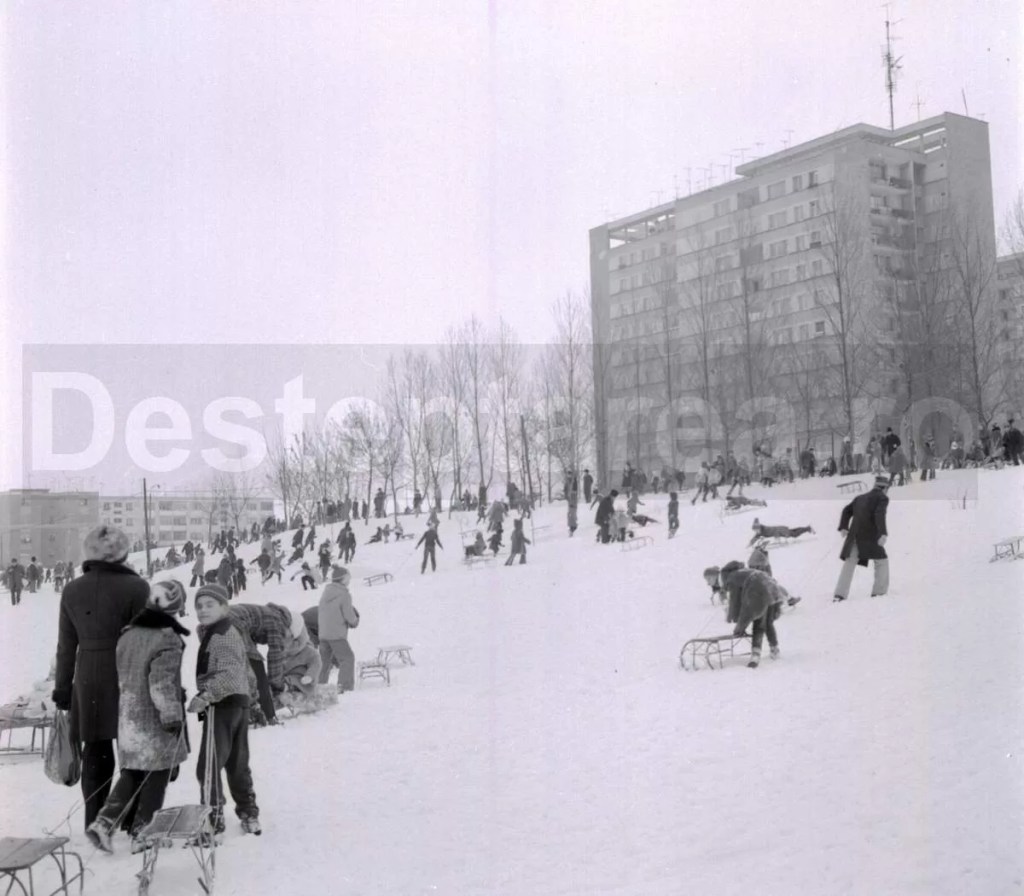
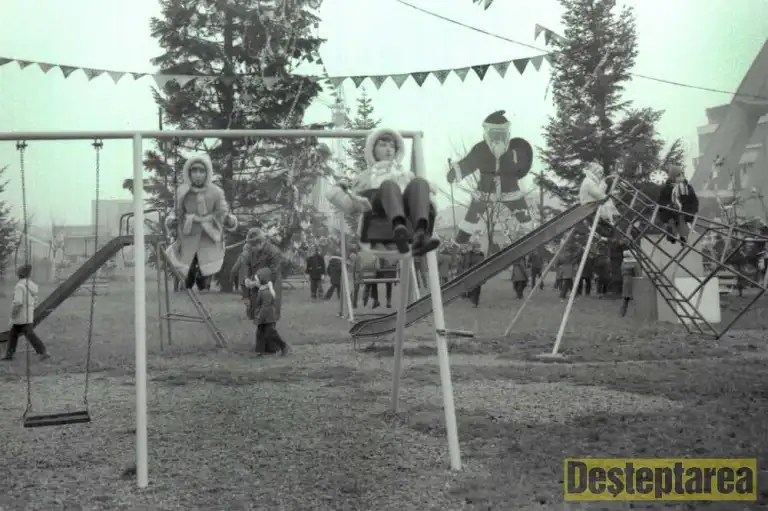
There were no other distractions like movie marathons, or Christmas markets, and no pretty lights in the city except for a sad tree by the city hall and a park called ‘Children’s little town’ with the usual old rusty swings but with a few more Santa cut-outs and a few lights. The very entrance was between a giant Santa’s legs, maybe clearly an indication of the rampant pedophilia in the society. For kids, the incline ridges around this park became favorite spots when it snowed as they turned into slopes for sledding, tobogganing and generally sliding down at full speed on anything that’d work. Add a little frozen pond somewhere, and we got a skating rink.
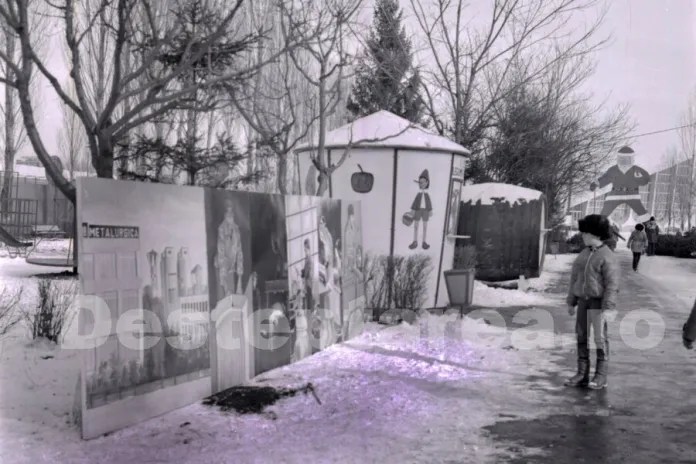
It was never enough time for me personally, I would have stayed out all the time if it wasn’t for the late hours, boogeyman fears and of course, house duties.
Before the holidays, we had to get the house ready. Cleaning the house ‘for the holidays’ involved a very elaborate deep clean that brought out the worst in any matriarch figure. Yes, again, we beat the carpets – often under the threat of not getting gifts if we didn’t help out -, cleaned and dusted everything, then we waited for the priest’s visit. As tradition goes, the priest from the neighbourhood church sets off on his ‘pillaging’ journey from door to door and stops by all households to bless them. It’s the most atrocious transactional exchange one can witness: the priest, together with his minion psalm reader knock on every door, step inside for a brief moment singing some prayer mumbo jumbo in a horrendous, out of tune falsetto, say a couple words (good luck understanding more than ’amen’) then they splash holy water with the bunch of dry holy basil, with angry slap-like strokes that may trigger ptsd even in the strongest souls. You have to kneel and kiss a wooden cross they shove in your face. Cringe as it may seem nowadays after a few pandemics, it was the same cross that everyone in the neighborhood kissed.
After this wild exchange, you had to tip the priest and his minion. These cassock-clad bros made so much money with this circus during the holidays, taking quite a significant tip from christians that could barely afford gifts for their kids. Being blessed had a price. Getting the flu from the cross that everyone licked, priceless.
As kids, we one-upped the priests by going caroling. In Romania we had two main periods for caroling, the days leading up to Christmas, and New Year’s Eve as well as New Year’s Day sometimes.
Just before Christmas we gathered a gang of cute little friends and went around knocking on our neighbours’ doors asking if they would allow us to carol there. Some would refuse, some would be happy, and were prepared with stacks of change or treats. We sang, or attempted to, a quick repertoire of carols that we knew. Now look… I had music training and I had a perfect pitch. But not all neighbour kids were in this league. In retrospective, those songs must have sounded like torture to the ears of the unsuspecting neighbours. Some would open the door and leave to attend to their kitchens while we sang our songs to an empty hallway, giving each other the side eye from time to time, awkwardly peeking through the cracked door to see the man of the house obliviously lounging in his underwear somewhere in the farthest room.
The most money I made was when I went caroling with my music school buddies. We harmonized and sang beautiful songs, making even the most heartless hag shed a tear. The trick was to carol our teachers and our families and maybe do so a few days before everyone else so that we don’t risk the hosts running out of budget. So we would spend the days just walking through the snow across town to sing. The reward for a night’s work was considerable, enough to allow us to buy ourselves something nice.
For New Year’s eve the caroling sounds different. No more songs, just shouted rhymes, wishing people a happy New Year and prosperity and such. We knew a few of these traditional greetings, but it’s absolutely ok to make up your own if you got talent. You may even mumble if you forget the lyrics, just make sure you shout. Here, you could be tone-deaf and it still made a great caroling experience. We had bells and firecrackers, we got loud and obnoxious, confident in the tradition that noise would scare the bad spirits away. People were somewhat pleased that kids from the block came by, so they gave us some money or rarely, treats like bagels, candy or pie. We preferred the money of course, and put our street smarts to good use by identifying the more generous neighbours quickly and establishing the routes for the next year.
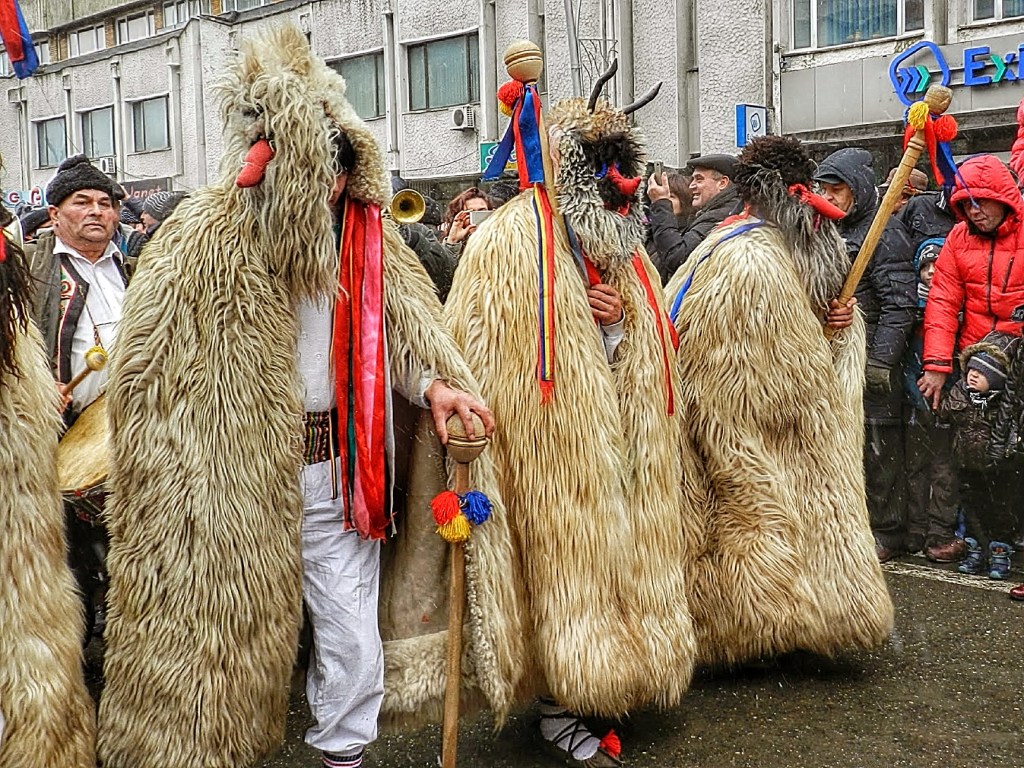
By far, my favorite part was watching the masked parade in town before the New Years’ eve – traditional costumes and humongous hand-made masks coming together into an allegoric display of characters from various areas. They walk down the main road in town and dance in a noisy parade of color, stopping at certain points to perform. It’s chaos – trumpets, bells, whistles, whips and many percussion items make a lot of noise. This is where a lot of us small kids got lost from our parents and were later found behind some giant character screaming in horror.

It’s way more exciting to see this from the comfort of your home. Some of the traditional groups of carolers like the goats and the bears come by our door sometimes.
The goat is a specific wooden pole with traditional adornments which has the upper end carved into a wooden goat head with a mobile jaw. It’s kinda like a puppet and it’s maneuvered by the caroller to mimic the words they are saying, or just to make bite noises for rhythm. The bears are performers in full bear costume who perform specific dances to go along with their caroling. In the past they wore real bear skins, but in modern times they got fake bear costumes, which probably also smell better. The bear is a tradition specific to the area I come from, but other areas saw diverse traditions and dances that I never witnessed up close.
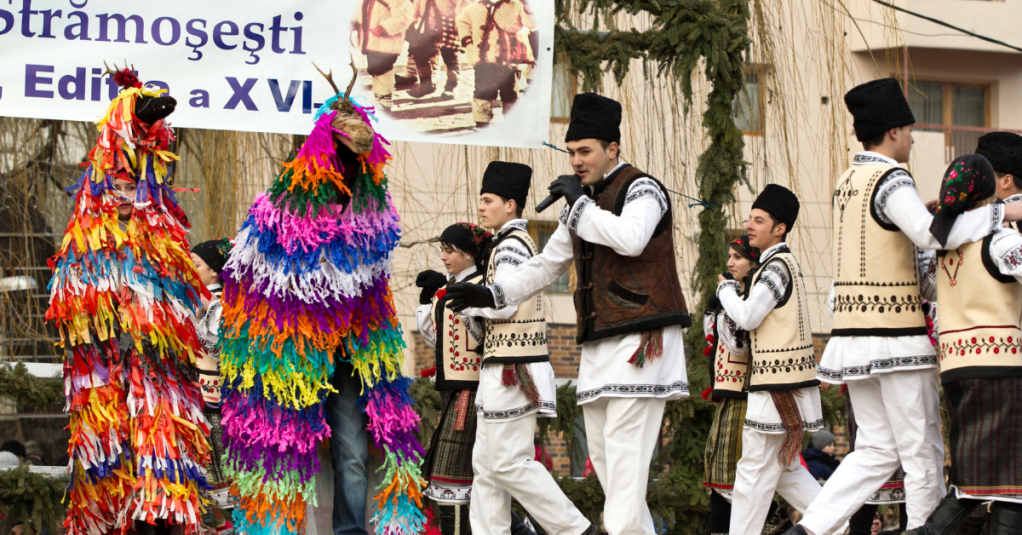
I loved the bear dances and the clickity-clack goats – as a kid, there’s nothing more entertaining. My cat had a different opinion, judging by the speed at which he ran to hide in the farthest closet. These traditional dances felt like something I couldn’t have done myself with the buds from the block, as it’s so skill-specific that it’s meant to be done by the grown-ups who also had a better idea about the traditional songs and rhymes that the dance requires. To be fair, sometimes it could have been just about anyone dressed up as a bear showing up at your door, mumbling ‘The bare necessities’, and you wouldn’t have known better. We just appreciated the show.
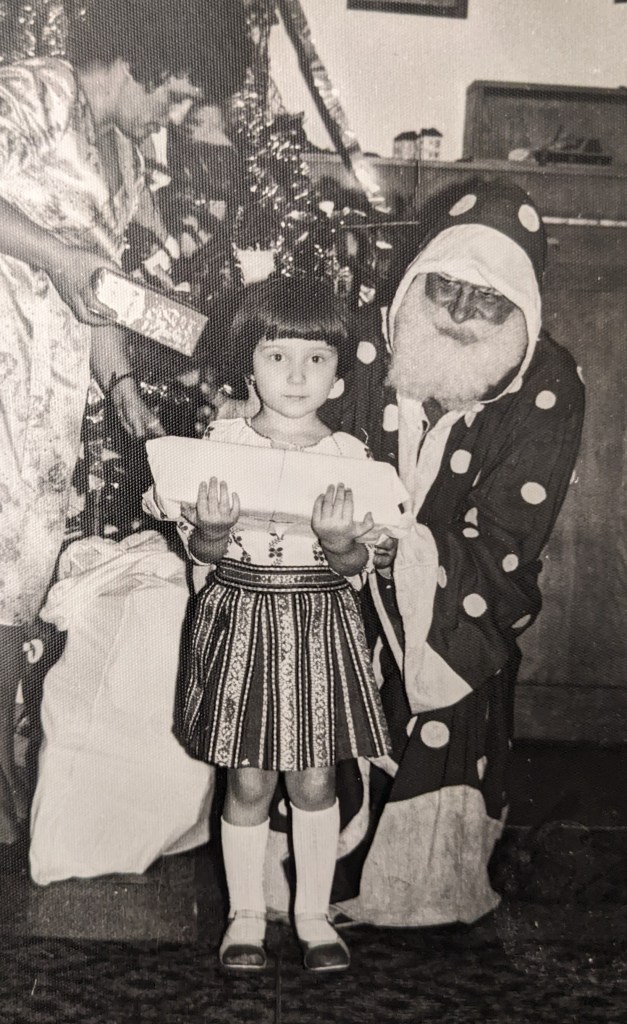
There wasn’t any Santa showing up anywhere – and right now I’m amazed that we grew up without this figure around, except for the kindergarten festivities. It was more of a concept. Santa from kidergarten was pretty scary anyway, as scary as the masked parade characters. Aside from school festivities, our gifts usually got delivered by our families right under the tree, usually on Christmas Eve. One year I remember getting a pretty stiff plush dog that looked like he’d been through a life crisis, and a couple story books. Other years, there were always pajamas or items my mom considered I needed anyway, disguised as gifts. No wonder I don’t wear pj-s anymore. But somehow I got a love -as well as a fear- of bears and goats and I jut realized how connected it might be to all this experience growing up.

 It's Okay, I'm Eastern European.